Design-Based Research of a Youth-Led, Game-Based Anti-Bullying Intervention
“When you let young people design the solution, the game becomes a rehearsal for the inclusive, caring school culture we all aspire to.”
This research study reimagines anti-bullying interventions by positioning Moroccan adolescents as co-creators rather than passive recipients. Moving beyond traditional adult-led, behaviorist approaches, the S’HAB project—meaning “Friends” in Arabic—demonstrates how participatory, narrative-driven methods can address the cultural dynamics underlying peer power imbalances in secondary education settings.
Research Innovation
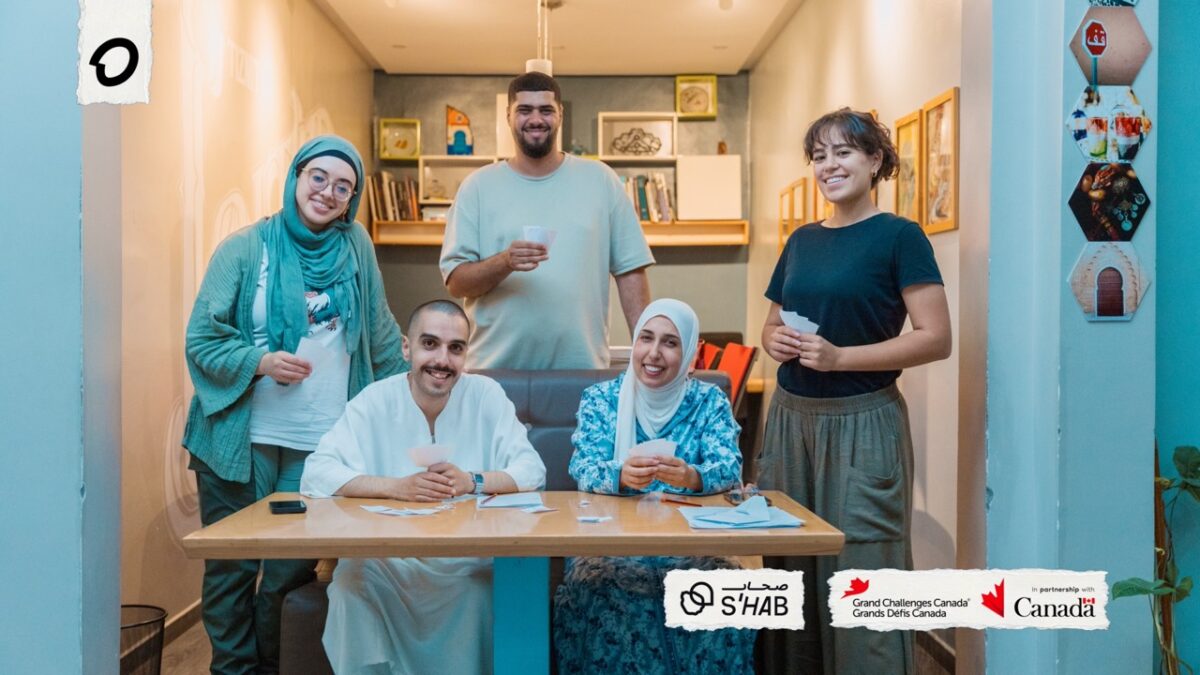
The study challenges conventional anti-bullying programs that often reproduce the very hierarchies they seek to address. Thus, the aim was to explore the deeper cultural and social dynamics of bullying. Through nine digital participatory workshops with 12 youth representatives from across Morocco’s regions, researchers facilitated a collaborative design process that translated lived experiences of power, exclusion, and belonging into an interactive, cooperative card game designed for school-based implementation.
Methodology & Participants
Using criterion-based purposive sampling, the research team assembled a diverse working group of youth aged 14-19 from all 12 regions of Morocco. Workshop sessions employed narrative frameworks to elicit authentic stories, facilitate critical dialogue around emerging themes, and capture alternative visions oriented toward systemic change. The process centered the youths’ voices at every stage, centering their stories and challenges.
Key Findings
Four Central Narratives:
Innovation in Design
The resulting prototype is a cooperative card game where players collectively address bullying scenarios drawn directly from participant narratives. Unlike competitive formats, the game requires dialogue, perspective-taking, and consensus-building, directly translating youth insights about collaborative problem-solving into interactive mechanics. Players face “Negative Situation” cards representing real bullying dynamics and respond using “Action Cards” embodying strategies of care, resistance, and empowerment.
Research Impact
Playtesting demonstrated the game’s capacity to create safe, dialogical spaces where youth could reflect critically on bullying as a systemic issue while providing concrete tools for real-life application. Participants emphasized that the cooperative structure facilitated authentic conversation about emotions and social situations without overt adult intervention—successfully disrupting traditional power dynamics in educational settings.
The study contributes to emerging scholarship positioning anti-bullying work as a collaborative, power-sharing practice that cultivates social, emotional, and ethical capacities while treating young people as active co-authors of cultural change rather than targets of intervention.